
For international lottery enthusiasts, the colossal jackpots of the United States represent the ultimate dream. Two names dominate the landscape: Mega Millions and Powerball. These games are not confined by borders; their growing jackpots captivate players worldwide who seek a life-changing windfall. However, navigating these U.S. giants from abroad involves understanding more than just the headline prize figures. For the international player, the critical question extends beyond which jackpot is bigger at any given moment to which game structurally offers a more favorable landscape when considering odds, jackpot frequency, and overall accessibility. This analysis delves into the core mechanics of both Mega Millions and Powerball, providing a comparative guide tailored for players outside the United States.
Understanding the Core Mechanics: Ticket Structure and Odds
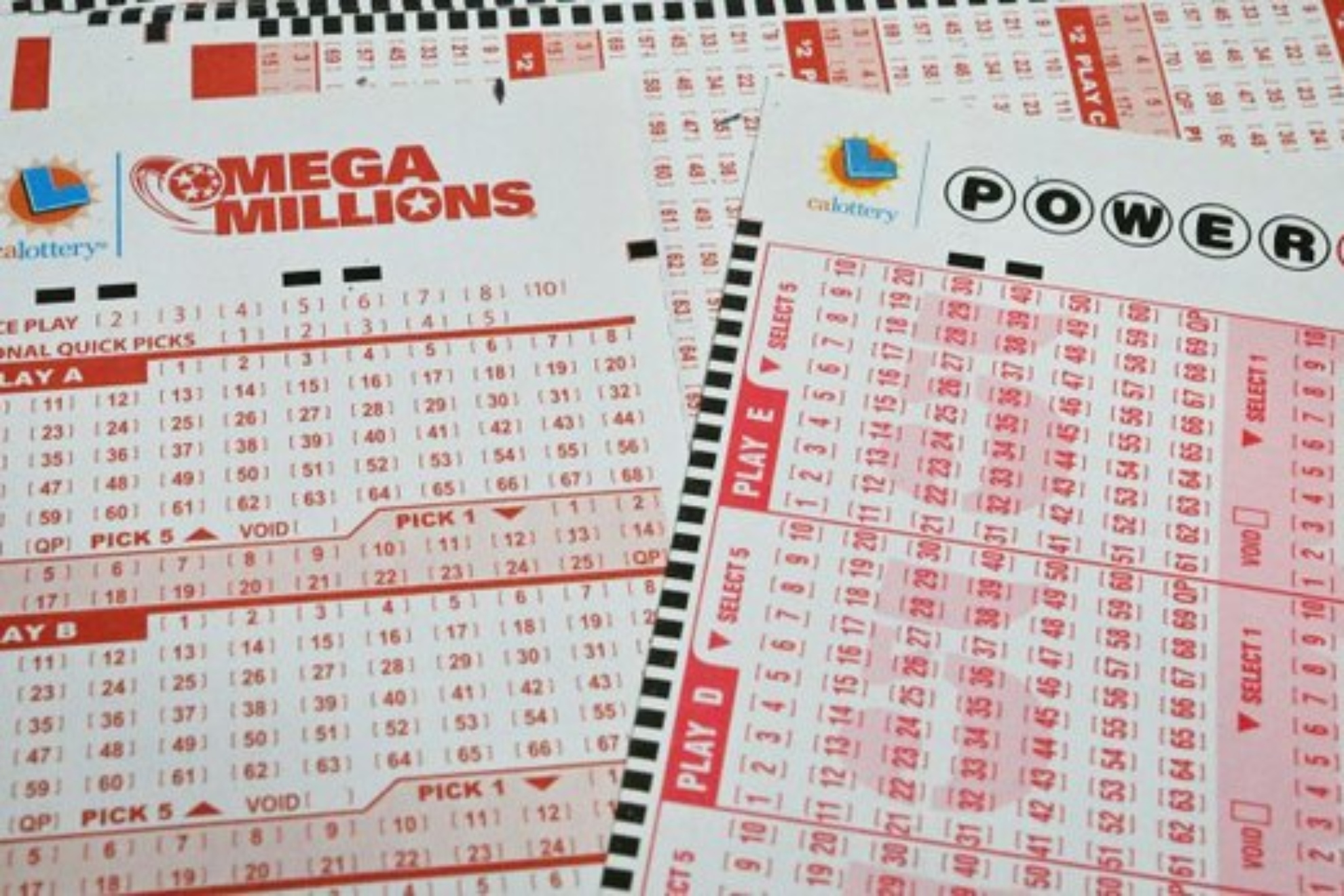
The fundamental difference between Mega Millions and Powerball lies in their matrix—the format dictating how many numbers are chosen from which pools. This matrix is the primary driver of the astronomical odds and, consequently, the massive jackpot accumulations. Mega Millions requires players to select five numbers from a pool of 70 and one Mega Ball from a separate pool of 25. This structure creates odds of approximately 1 in 302.6 million for winning the grand prize. Powerball, on the other hand, uses a matrix of five numbers from 69 and one Powerball from 26. This results in slightly better, but still staggering, odds of about 1 in 292.2 million for the top prize. While the difference may seem marginal, it is a consistent factor that international players should note. Both games offer nine prize tiers, but the lower-tier odds vary, influencing the frequency of smaller wins. The choice of the Megaplier or Power Play multiplier option, which can increase non-jackpot prizes, adds another layer of strategy, though availability of these features depends on the international lottery service provider used.
Jackpot Growth and Rollover Patterns
The rollover mechanism is the engine behind the record-breaking headlines. When no ticket matches all numbers, the jackpot rolls over to the next draw, growing with each successive cycle. Both games are renowned for this, with recent examples including a Mega Millions jackpot sitting at a staggering $505 million, showcasing the scale achievable. Historically, both games have produced world-record prizes exceeding $1.5 billion. Powerball tends to start its jackpots at a $20 million minimum, while Mega Millions begins at $20 million as well. The growth rate is influenced by ticket sales, which skyrocket as the jackpot becomes newsworthy, creating a fever-pitch cycle. For the international observer, this means monitoring the jackpot size is more relevant than predicting which game will hit first, as both are equally capable of reaching stratospheric levels given enough rollovers.
Accessibility for International Players: Navigating the Purchase Process
Strict U.S. regulations prohibit the sale of official lottery tickets across international borders. Therefore, international players cannot directly purchase a ticket from a state lottery retailer. The legitimate pathway involves using authorized third-party concierge services or lottery syndicate platforms that operate within the legal frameworks of their jurisdictions. Companies like Lotto Agent, The Lotter, or Jackpot.com facilitate this by having agents physically purchase tickets on behalf of clients in the relevant U.S. state. The process involves creating an account, selecting numbers or opting for a quick pick, and paying the ticket price plus a service fee. It is paramount for players to research and use only reputable, fully licensed services that provide scanned proof of purchased tickets and clear terms for prize collection. The accessibility of these services varies by country, and players must ensure online lottery betting is legal in their own region.
Tax Implications and Prize Collection
A crucial, often overlooked aspect for international winners is the tax treatment of U.S. lottery prizes. The United States imposes a mandatory 30% federal withholding tax on lottery winnings for non-resident aliens. This is applied before the prize is even disbursed. Furthermore, depending on the winner’s country of residence, additional domestic income tax may be levied on the net amount received. Some countries have tax treaties with the U.S. that might reduce this burden, but professional cross-border tax advice is an absolute necessity. The collection process itself is managed by the international lottery service used; they handle the claim process with the state lottery, navigate the withholding, and then distribute the net proceeds to the winner, minus any agreed service fees. Understanding this financial landscape is as important as picking the numbers.
Strategic Considerations for Global Participants
Given the near-identical nature of the two games in terms of jackpot potential and purchase method, strategy for the international player shifts from choosing one game over the other to a more holistic approach. A sensible tactic is to follow the jackpot value relative to the odds. While Powerball offers slightly better odds, a significantly larger Mega Millions jackpot might present a better value proposition in terms of expected value, though this is a complex calculation. Many seasoned international players participate in syndicates offered by their chosen platform, pooling funds to buy more tickets across both games, thereby increasing the chance of winning a secondary prize. It is also advisable to set a strict budget in your local currency and stick to it, treating lottery participation as a form of entertainment rather than an investment. Monitoring the jackpot cycles of both games can inform timing, but as draws are random, there is no truly advantageous moment to play beyond avoiding the frenzy of peak sales when billions are at stake, which ironically is when the chance of sharing a jackpot is highest.
Beyond the Jackpot: Secondary Prizes and Game Features
While the grand prize captures the imagination, both Mega Millions and Powerball offer substantial secondary prizes that can be life-changing in their own right. Matching five numbers without the Mega Ball or Powerball awards a $1 million prize, which grows to $2 million or more if the multiplier feature was purchased and the applicable multiplier is drawn. The odds for these second-tier prizes are significantly better, at about 1 in 12.6 million for Mega Millions and 1 in 11.7 million for Powerball. This subtle difference again gives Powerball a slight edge. The multiplier features, Megaplier and Power Play, are popular add-ons that can multiply non-jackpot winnings by 2x, 3x, 4x, 5x, and in some draws, up to 10x for Powerball (except the Match 5 prize) and 5x for Mega Millions. The availability of these features to international players depends entirely on the service provider’s offering.
Responsible Participation in U.S. Lotteries from Abroad
The allure of a half-billion-dollar prize must be balanced with a commitment to responsible play, especially when participating from thousands of miles away. International players should only use funds they can afford to lose entirely. It is vital to verify the legitimacy of any lottery purchasing service, ensuring they are licensed and regulated by a recognized gaming authority such as the Malta Gaming Authority, Curacao eGaming, or the UK Gambling Commission. Setting deposit limits on your lottery service account and taking regular breaks from play are essential habits. Remember, the odds are overwhelmingly against winning the top prize, and lottery games should never be seen as a solution to financial difficulties. If your gambling stops being fun or you feel it is becoming a concern, organizations like Gamblers Anonymous or BeGambleAware provide international resources and support. Enjoy the dream these iconic American games inspire, but always ground your participation in reality and personal responsibility.
